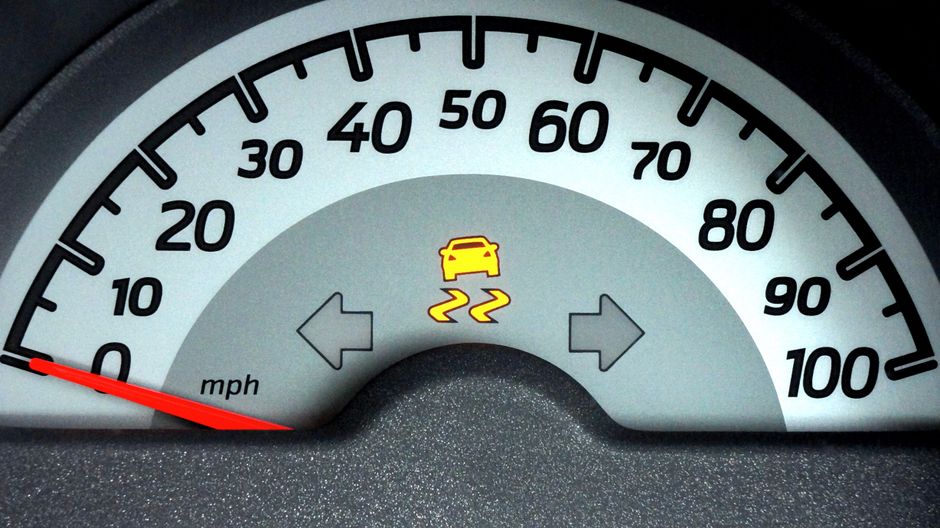
Tips to Improve Your Car’s Fuel Economy
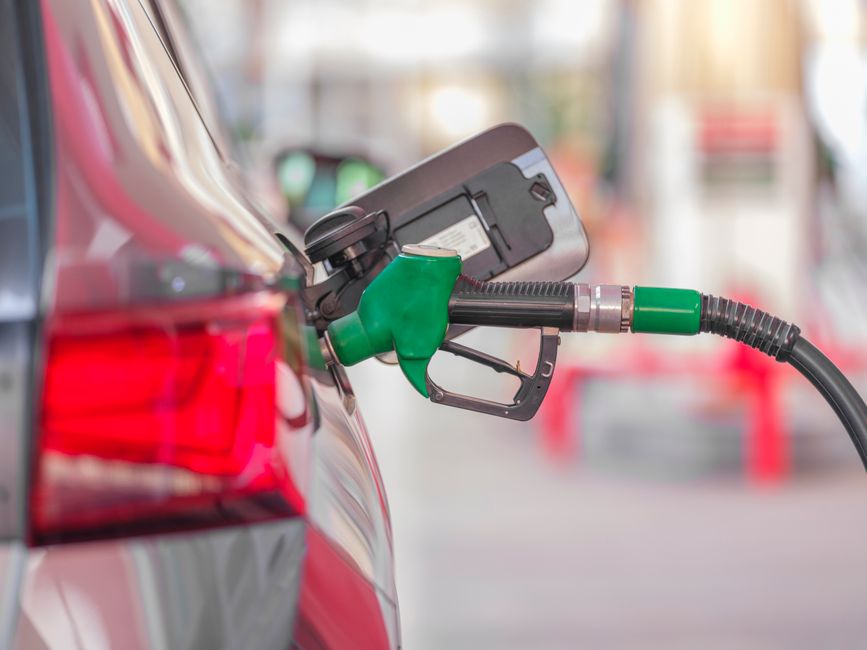
Improving your car’s fuel economy is a common goal for many drivers, especially as fuel prices fluctuate and environmental awareness grows. The way you drive and maintain your vehicle can have a notable impact on how much fuel it consumes. By adopting certain habits and staying on top of routine care, you may be able to stretch each gallon further and reduce trips to the pump. This article explores practical strategies that can help you optimize fuel usage without compromising safety or convenience.
While there is no single method that guarantees dramatic savings, a combination of mindful driving and consistent maintenance often yields positive results. Factors such as vehicle condition, driving conditions, and external environment all play a role. The suggestions here are intended to inform and guide, not to promise specific outcomes. Always consult your owner’s manual and a qualified mechanic for advice tailored to your vehicle.
In the following sections, we will examine key areas: driving techniques, maintenance practices, and other considerations that can influence fuel efficiency. Each section provides detailed explanations and actionable tips that you can incorporate into your routine. Remember that consistency and attention to detail are important when aiming to improve fuel economy.
Driving Techniques That Can Reduce Fuel Consumption
The way you operate your vehicle has a direct effect on how much fuel it uses. Aggressive driving, such as rapid acceleration and hard braking, can waste fuel by forcing the engine to work harder. Smooth and steady driving, on the other hand, allows the engine to operate more efficiently. By anticipating traffic flow and maintaining a consistent speed, you can minimize unnecessary fuel burn. This approach not only saves fuel but also reduces wear on brakes and tires.
One effective technique is to accelerate gently and gradually. Avoid revving the engine or flooring the pedal from a stop. Instead, aim for a steady increase in speed that keeps the engine in its optimal range. Similarly, when approaching a red light or traffic jam, lift your foot off the accelerator early and coast to a stop. This uses the vehicle’s momentum and can cut fuel use compared to maintaining speed and then braking hard.
Another key factor is speed management. Fuel efficiency typically decreases at higher speeds due to increased aerodynamic drag. While each vehicle has its own optimal speed range, driving at moderate speeds on highways can often improve fuel economy. Using cruise control on long stretches of open road can help maintain a constant speed and reduce inadvertent fluctuations that waste fuel. However, cruise control may not be ideal in hilly terrain or heavy traffic, where manual control allows for better adjustment.
Idling is another area where fuel is wasted. Modern engines do not need extended warm-up periods, even in cold weather. Idling for more than a minute or two is unnecessary and consumes fuel. If you are waiting for someone or stuck in a long line, consider turning off the engine. Many newer vehicles have start-stop systems that automatically shut off the engine when stationary, but if yours does not, manually shutting it off can be beneficial. These small changes in driving habits can add up over time.
Additionally, reducing unnecessary weight and drag can help. Remove items you do not need from the trunk or roof rack. Extra weight makes the engine work harder, and roof racks or bike carriers increase aerodynamic drag, especially at highway speeds. If you do not need them, take them off. Even keeping windows closed at high speeds can reduce drag compared to having them open, though using air conditioning also consumes fuel. Finding a balance based on your comfort and conditions is key.
Maintenance Habits to Support Fuel Efficiency
Regular maintenance is essential for keeping your vehicle running efficiently. A well-maintained engine burns fuel more completely and produces fewer emissions. Simple tasks like checking and replacing air filters, spark plugs, and oxygen sensors can prevent performance issues that lead to higher fuel consumption. Following the manufacturer’s recommended maintenance schedule is a good starting point, as it outlines the specific services your vehicle needs at various intervals.
Tire maintenance is particularly important. Under-inflated tires increase rolling resistance, which means the engine has to work harder to move the car. Check tire pressure at least once a month and before long trips. Use the recommended pressure listed on the driver’s side door jamb or in the owner’s manual. Also, ensure tires are properly aligned and rotated regularly. Misaligned tires can cause uneven wear and drag, reducing fuel economy. When it is time for new tires, consider low-rolling-resistance models, which are designed to improve fuel efficiency.
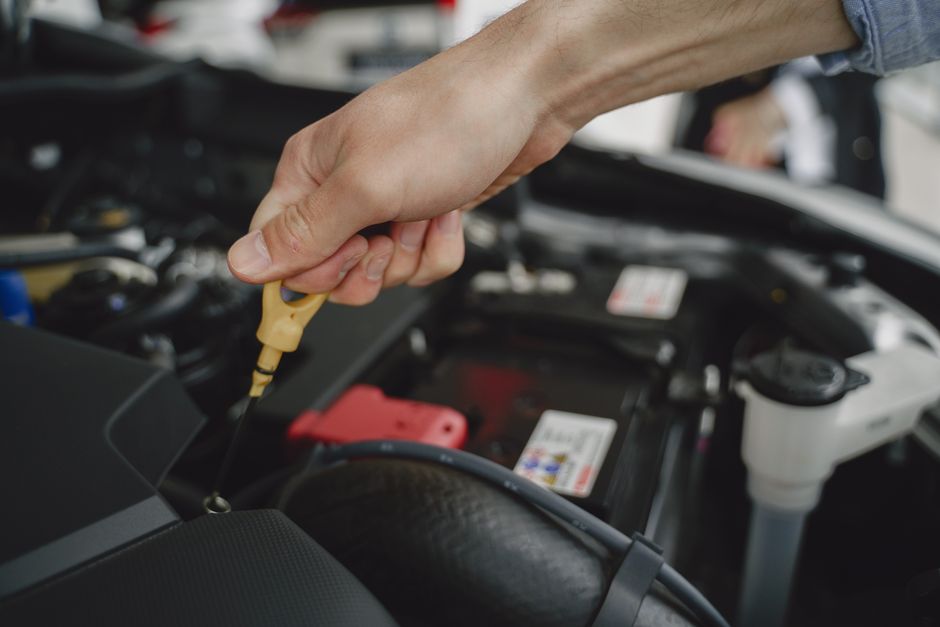
Oil changes are another critical aspect. Using the correct grade of oil and changing it at the recommended intervals ensures proper lubrication and reduces friction inside the engine. Synthetic oils may offer better performance and fuel efficiency in some cases, but always follow your manufacturer’s specifications. Additionally, keeping the engine tuned according to the schedule can prevent issues like misfiring or poor combustion, which waste fuel.
The fuel system itself should not be overlooked. Dirty fuel injectors or a clogged fuel filter can disrupt the air-fuel mixture, leading to inefficient burning. Some manufacturers recommend periodic fuel system cleaning, but this is not universally necessary. If you notice a drop in fuel economy or performance, have a mechanic inspect the fuel system. Using the recommended octane rating for your vehicle is also important; using higher octane than needed does not typically improve fuel economy and costs more.
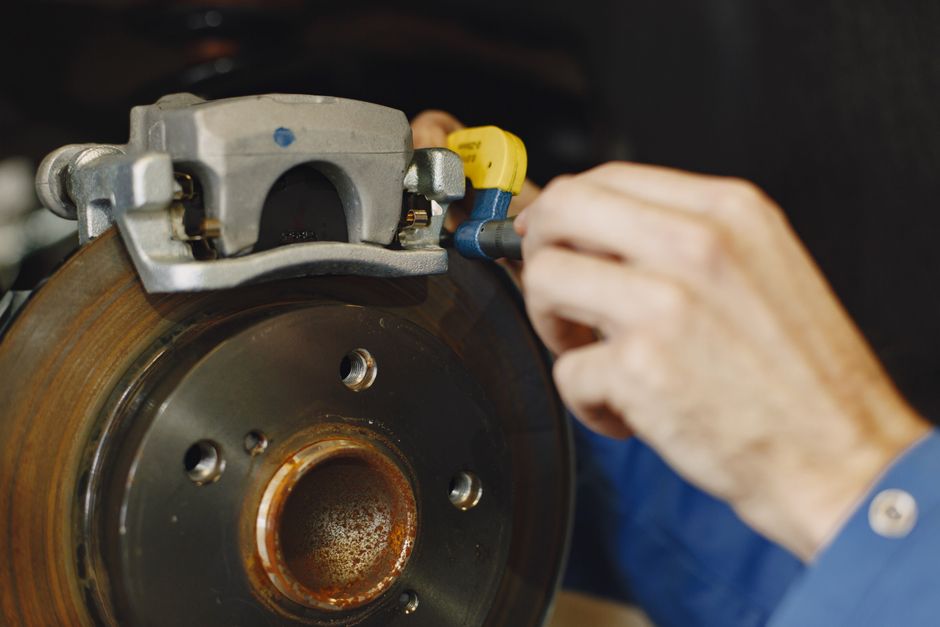
Other components like the exhaust system and emission controls also affect efficiency. A faulty catalytic converter or a leak in the exhaust can reduce fuel economy and increase emissions. Regular inspections can catch these problems early. While some maintenance tasks are DIY-friendly, others require professional attention. Building a relationship with a trusted mechanic can help you stay on top of necessary repairs and keep your vehicle in optimal condition.
Additional Considerations for Better Fuel Economy
Beyond driving habits and maintenance, several other factors can influence fuel consumption. Planning your trips to combine errands and avoid peak traffic can reduce idling and stop-and-go driving. Using navigation apps to find the most efficient routes can also help, as they may account for real-time traffic conditions. Carpooling or using public transportation for some trips reduces the number of vehicles on the road and can save fuel overall.
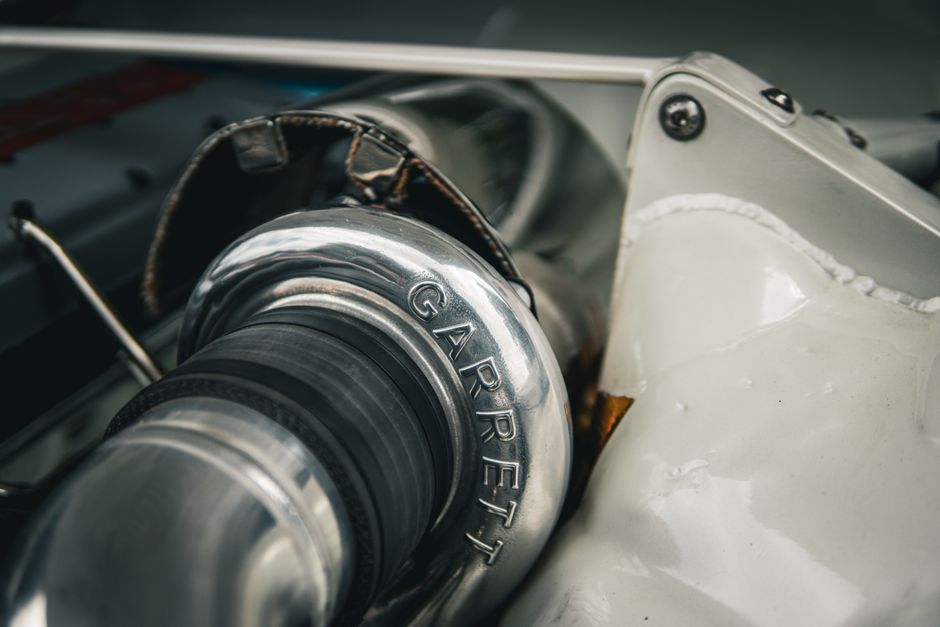
Choosing the right fuel and understanding your vehicle’s needs is also beneficial. Most cars are designed to run on regular unleaded gasoline, and using premium when not required does not usually improve fuel economy. However, some high-performance or turbocharged engines may require premium fuel for optimal performance and efficiency. Always check your owner’s manual for the recommended fuel type. Additionally, avoid topping off your tank excessively, as this can lead to spills and waste.
Weather and environmental conditions can affect fuel economy as well. Cold weather can increase fuel consumption due to longer warm-up times and increased use of heaters and defrosters. Hot weather may require air conditioning, which adds load to the engine. While you cannot control the weather, you can mitigate its effects by parking in shaded areas, using window shades, and combining trips to minimize cold starts. In winter, using a block heater in extremely cold climates can help the engine warm up faster and reduce fuel use.
Finally, consider the age and condition of your vehicle. Older cars may not have the advanced fuel-saving technologies of newer models, but proper maintenance can still help them run efficiently. If you are in the market for a new car, fuel economy ratings are an important factor to compare. However, driving habits and maintenance remain the most immediate ways to influence your current vehicle’s fuel consumption. For personalized advice, consult a trusted professional at Motor Trust or your local mechanic.
In summary, improving fuel economy is a multifaceted effort that involves mindful driving, regular maintenance, and smart planning. By adopting the practices outlined here, you can potentially reduce fuel costs and environmental impact. Remember that results vary based on vehicle type, driving conditions, and other factors. Stay informed and proactive to get the most out of every gallon.